Directed by Stephan Spielberg and based on the book by Ernest Cline, “Ready Player One” shows a world where virtual reality is the reality. In the movie, it is the year 2045 and people basically live their entire lives in a virtual reality universe called the OASIS. People go to work, school, shop, and hang out with friends here. In the OASIS, anything and everything can exist and people can be anything or anyone. The only time people leave this VR landscape is to sleep or eat. The reason people escape to the OASIS and spend so much time there and forget to live in the real world is because the economy and the environment are in ruins, but that’s a whole other blog post. What I want to know now is where are we with VR technology? How will it change the future? What can VR do right now? Can we create our won OASIS?
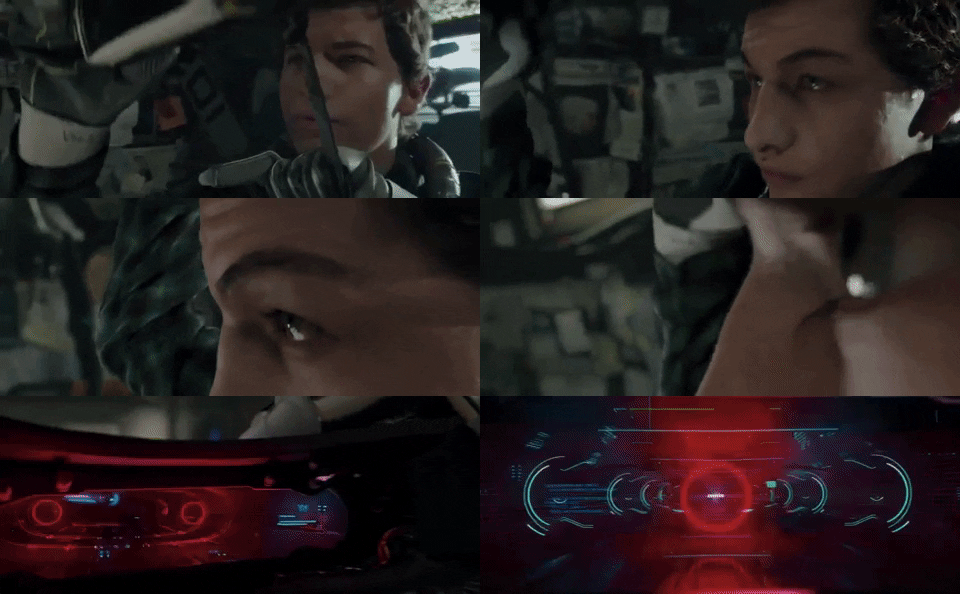
What is VR?
According to this Wired.com article, virtual reality, or VR, is a “technology by which computer-aided stimuli create the immersive illusion of being somewhere else”. It first hit the mainstream in 2012, when the Oculus Rift prototype was revealed at the E3 videogame trade show.
Virtual reality is different to augmented reality. Augmented reality, or AR, uses the real world and superimposes computer-generated augmentations to enhance what you are already seeing. AR is usually used with a smartphone. You’ve most likely experienced AR by playing Pokemon GO or experimenting with Snapchat filters.
A VR of All Trades
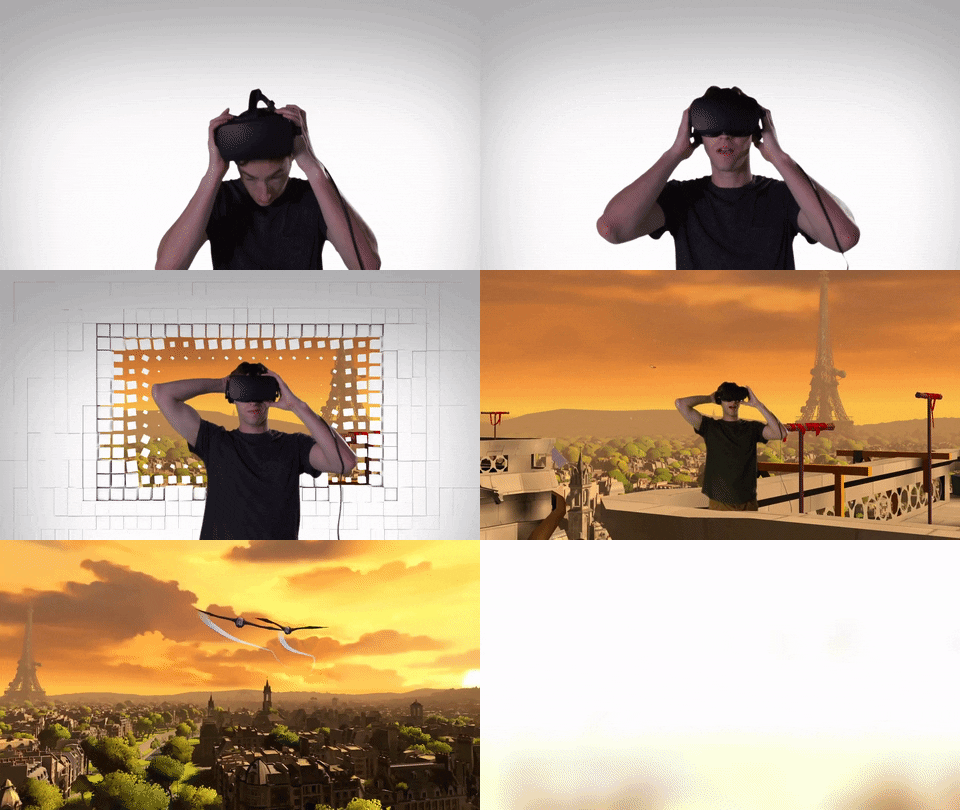
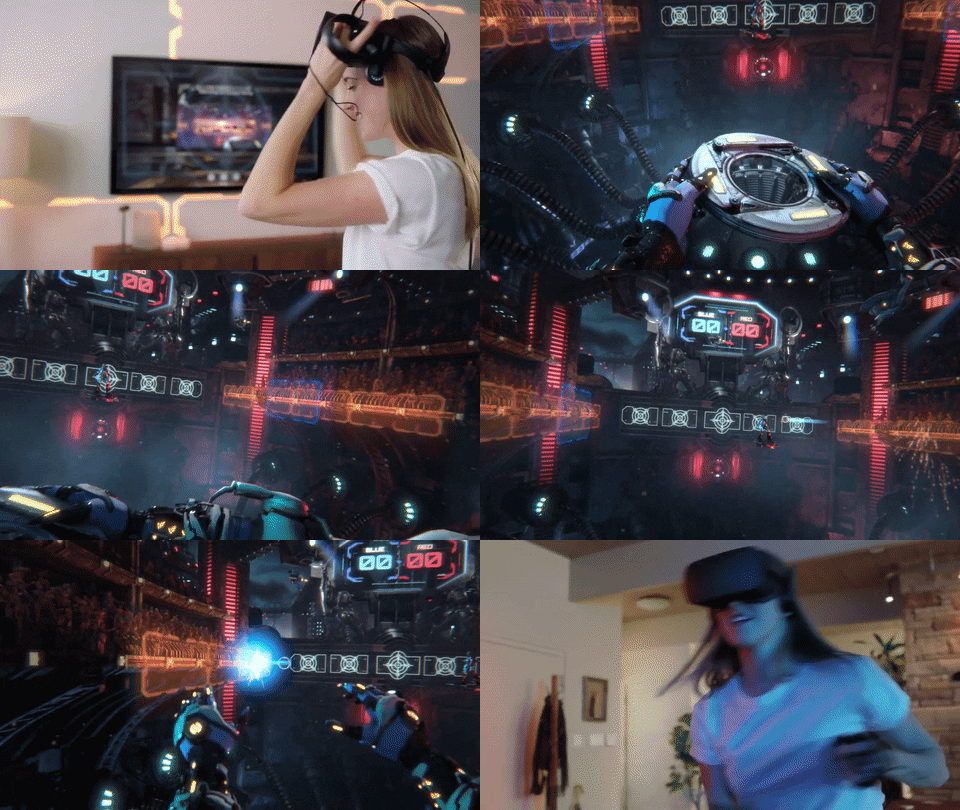
Unlike in “Ready Player One” where VR is used for almost everything, as of right now, VR hasn’t caught on just yet. VR is on the expensive side, which makes it not as accessible as other technology. When I think of VR, I think of video games. Most people recognize VR as something to do with gaming. Popular VR games include “Beat Saber” and “The Elder Scrolls V: Skyrim”. But only about 6% of gamers have a VR headset (CNBC).
VR can do a lot of other things. You can watch 3D movies and feel like you are part of them thanks to the Oculus Cinema app . LiveLike VR allows sports fans to feel like they are at the game by placing them in a virtual stadium. VR allows you to visit places like museums, historical monuments, and basically travel around the world in the comfort of your own home (HOME). As a broke college student who dreams of seeing the world, VR can help me do that at a much cheaper cost.
Places, where you might not expect VR to be used, are now being integrated with it. The health care industry uses VR to construct 3D models of a patient’s anatomy so that doctors and surgeons can discover the best way to treat the patients. NASA uses VR to control robots on Mars and allow ordinary people to experience what astronauts do while on space crafts.
The Good, the Bad, and the VR
The upside of VR is that communication and connection can get a whole lot easier. In a study commissioned by Facebook IQ, Neurons Inc discovered how participants responded both cognitively and emotionally to speaking with another person in virtual reality using an Oculus Rift headset. They found that people, especially introverts, believed it to be a positive experience and were able to easily start a genuine relationship with the other person.
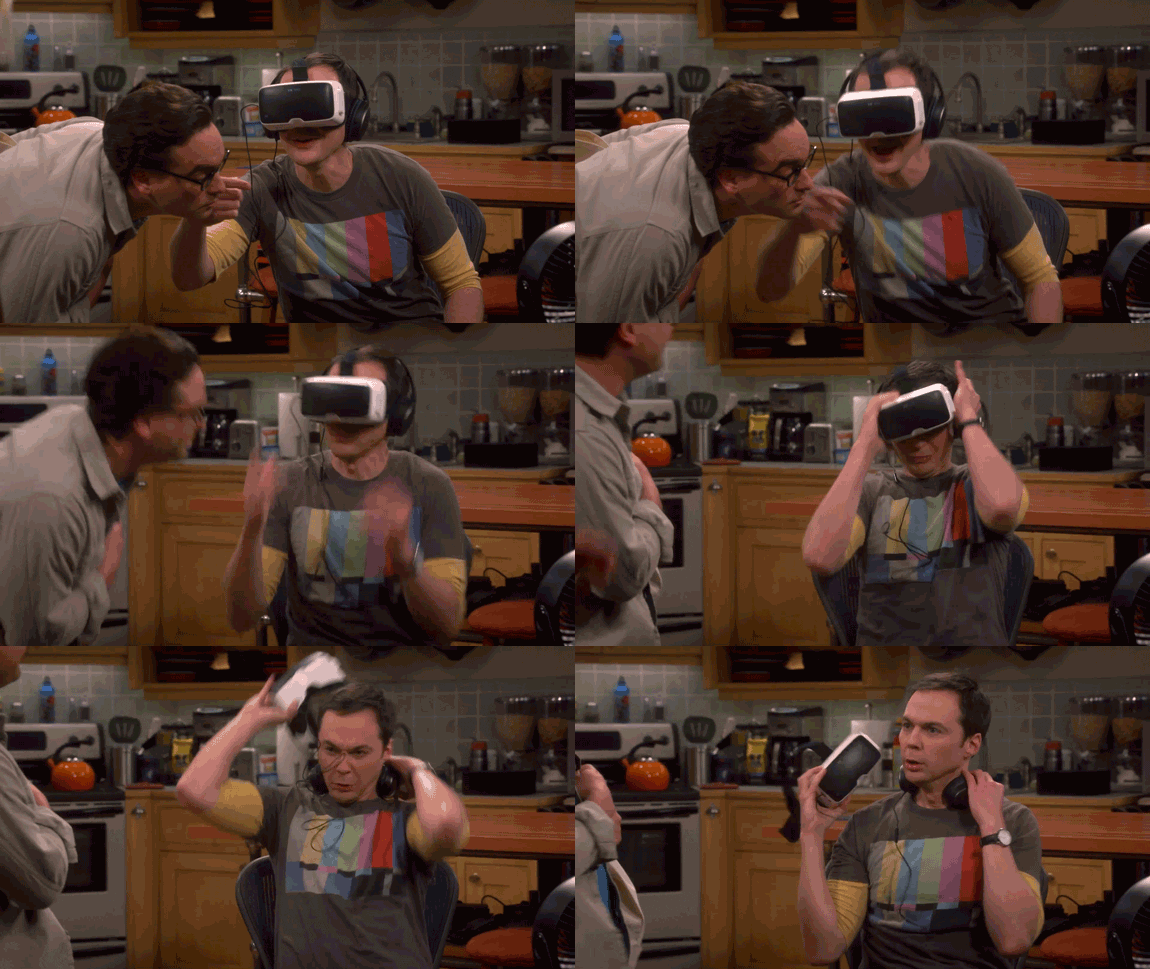
The downside of VR according to Jeremy Bailenson, a leading V.R.-embodiment researcher at Stanford, is the “risk of users suffering psychological trauma will steadily increase as VR technology advances”. First Person VR video games allow users to immerse themselves into gameplay. Some of these video games where a player has to violently kill an attacker with their “virtual” hands is a much different experience than just button smashing a controller to do the same thing which can cause psychological damage.
The Future of VR
The technology that would be needed to create an OASIS-like VR landscape right now has not been created yet but could be ready in the future. But there is still so much that VR can do now . Companies have shelled out millions of dollars to use VR in and for their products. VR can put you in the middle of the action, whether it’s in the form of a videogame, movie, or a real-world experience you otherwise wouldn’t get the chance to be a part of. For those with disabilities, VR can make things more accessible. Education and research can become a whole lot easier. It can change the way we socialize. Thanks to the internet, 92% of our communication is non-verbal but VR could fix that. It’s potential is groundbreaking. So we might not be able to create our very own OASIS just yet, but VR can still do some pretty great things. So, are you ready player one?

 Caro's Corner
Amazing job on this blog post! I loved how you introduced the topic with a little taste of pop culture, movies with this type of sci fye topic are so interesting and it makes viewers almost want to live in a world just like the movie. Virtual reality is so interesting and scary at the same time, and you did a great job explaining in debt what it was all about. I like how you distinguished between VR and AR because they can totally get confused. Your blog was formatted so nicely and I loved reading about this topic because I did not get too into VR for my blog post.
Amazing and organized job!
LikeLiked by 1 person
Hey Caroline! Great post! Like Sara said, I really like the way you referenced pop culture with your post. I tried to do that as well but just with another platform! VR seems like a scary thing to me- your section about the difference between killing someone with buttons and with hands really stood out. Not something I have thought about before! Overall good job! It was interesting and easy to engage with!
LikeLiked by 1 person