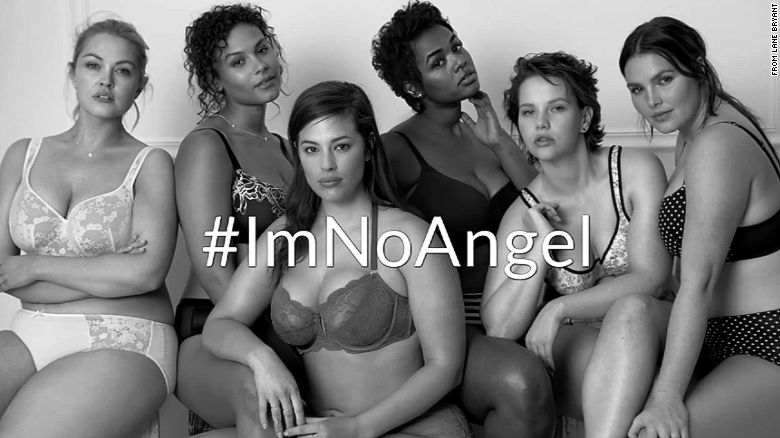
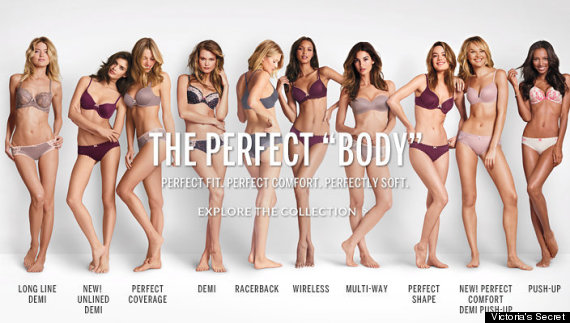
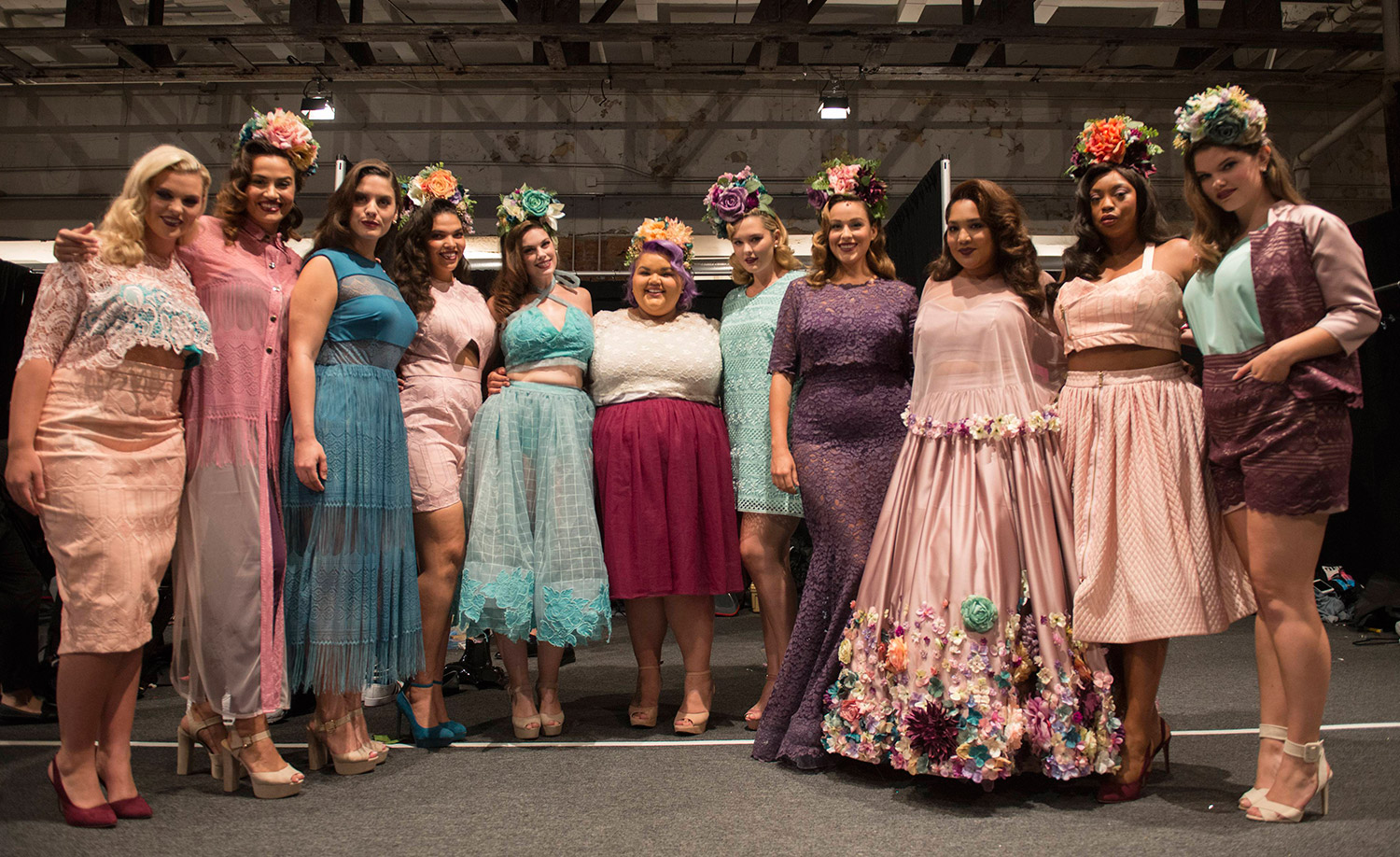
In 2015, Victoria’s Secrets received backlash when the models used in the advertisements for their new lingerie line “The Perfect ‘Body’” were of all the same slender body type. So women’s clothing store Lane Bryant launched their “#ImNoAngel” campaign in response. The campaign starred plus size models, including Ashley Graham, showcasing the new Cacique lingerie line while the models said things like “how boring would it be if we were all the same?”. The campaign was so popular that it was relaunched in 2017. Now over the past few years, other brands have started to wake up and realize that there is more than one body type.
Social Media’s Unrealistic Body Expectations
With the increase popularity of social media, comes the increase of expectations that come with it. People are expected to look a certain way. Perfect hair, perfect clothes, perfect body.
Now social media feeds are full of workout and exercise posts for “fitspiration” and “thinspiration”. And while the main reasoning behind posting these is to inspire and motivate others to live a healthier lifestyle, more often than not, they just make the viewer feel worse about themselves. Posts like this lead to eating disorders, negative thoughts, depression, and anxiety. This effects everyone, not just women. While women feel pressured to lose weight, men feel pressured to workout to gain muscle.
But there is still a need for more research on this. This study found a mixed result of how people reacted to exercise post.
Promoting Body Positivity
The best way to fight the unrealistic body expectations is to encourage body positivity and to openly talk about the unrealistic body ideals that we see in the media.
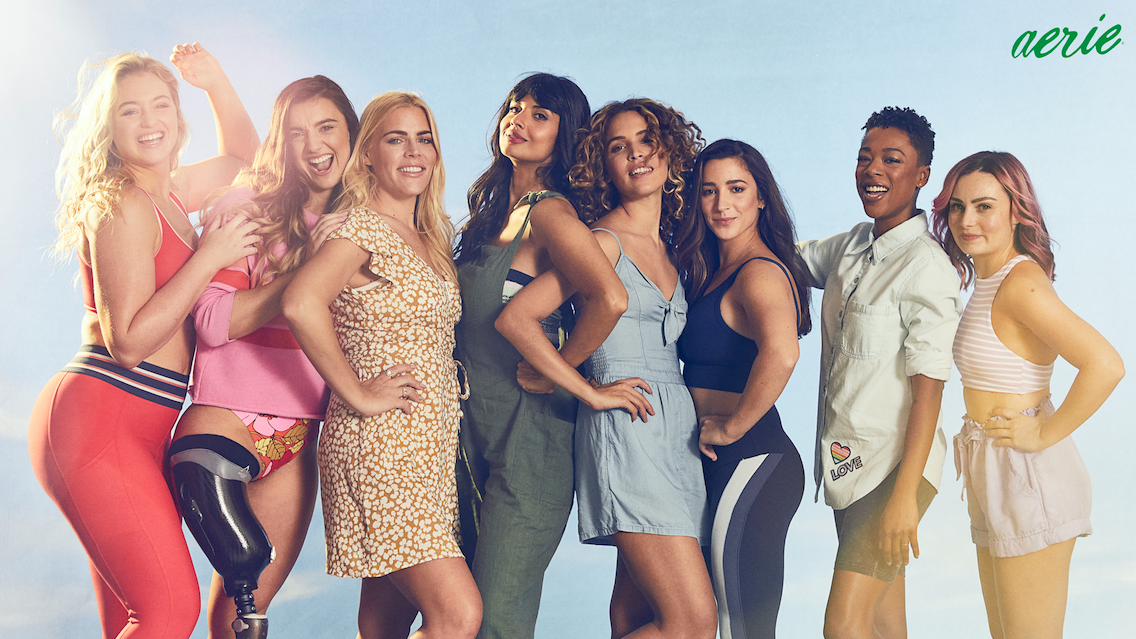
One company that is doing this is Aerie. Five years ago, the company made an announcement that they would stop photo shopping and airbrushing the models in their advertisement and since then they have continued to make steps to promote body positivity.
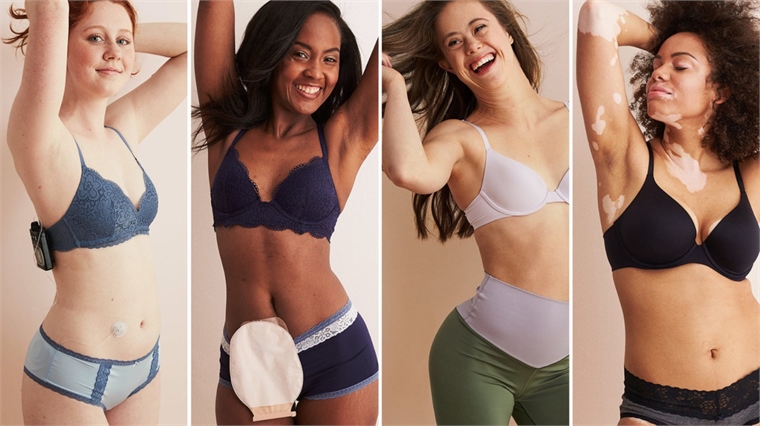
The first #AerieReal campaign comprised of 57 women of different sizes, shapes, colors, and disabilities. The campaign’s goal was to empower women and it went viral on Twitter, with consumers saying they finally felt seen.
In collaboration with The National Eating Disorders Association (NEDA), Aerie is training their employees to cultivate a body confidence and judgment free zone.
Aerie has continued to be on the forefront of body positivity. They have just launched another reiteration of their #AerieReal campaign starring body-positivity activist and “The Good Place” actress Jameela Jamil, blind YouTuber Molly Burke, Olympian Aly Raisman, and LGBTQ+ advocate and “Orange is the New Black” actress Samira Wiley, among others.
The Spread of Body Positivity
Clothing brands are not the only ones that have been championing body positivity and inclusivity. Popular toys, beauty products, and even reality TV have all begun to continue the conversation.
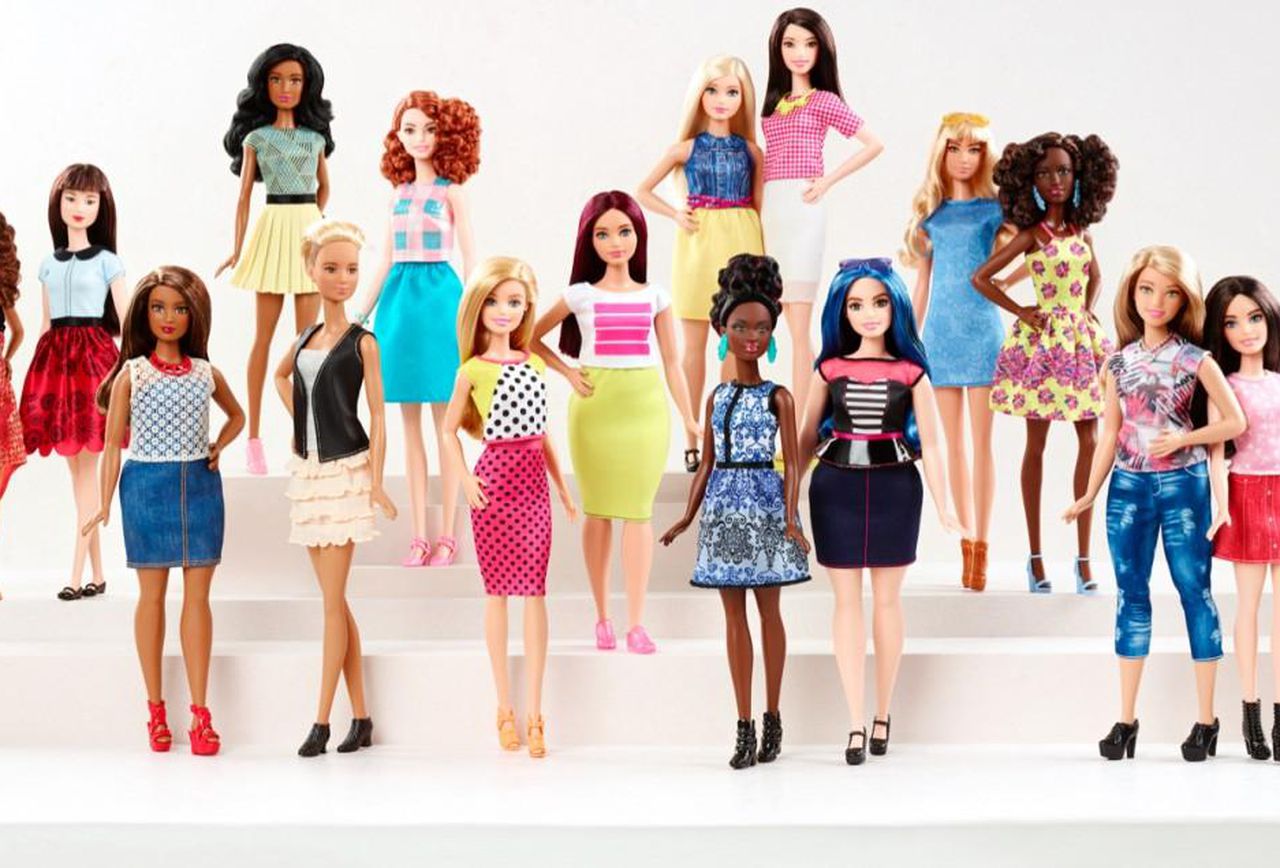
Barbie has launched several lines that include dolls of different shapes, skin tones, hair textures, sizes, and disabilities like Barbie Celebrates Role Models and the Barbie Fashionistas.
The company worked with 13 year old Jordan Reeves, the co founder “Born Just Right” whose mission is to find creative solutions to help kids with physical disabilities, to create the doll with the prosthetic leg.
The beauty company Dove has created the “Dove Real Beauty Pledge” that promises to use real women, not models, in their advertisements, never digitally manipulating pictures they use, and help young people build self esteem and realize their full potential with the “Dove Self Esteem Project”.
“Project Runway”, a reality fashion competition show, made history when they crowned Ashley Nell Tipton as their season 14 winner in 2015. Ashley was the first competitor to design a plus-size line for the final runway show at New York Fashion Week. As the winner she went on to create a plus-size line for JCPenney. Later in 2017, Project Runway casted models size 0-22 for their 17th season, with co-host Tim Gunn saying “There is no reason larger women can’t look just as fabulous as all other women”.
https://www.forbes.com/sites/clareoconnor/2016/01/28/mattel-launches-barbie-in-curvy-tall-petite-body-types-and-diverse-skin-eye-hair-colors/#602a8e23fe46 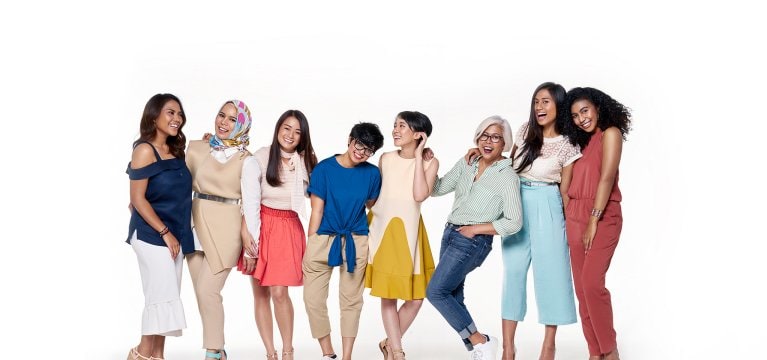
https://www.dove.com/my/stories/campaigns/iamrealbeauty.html
Body Positivity is Changing the Industry
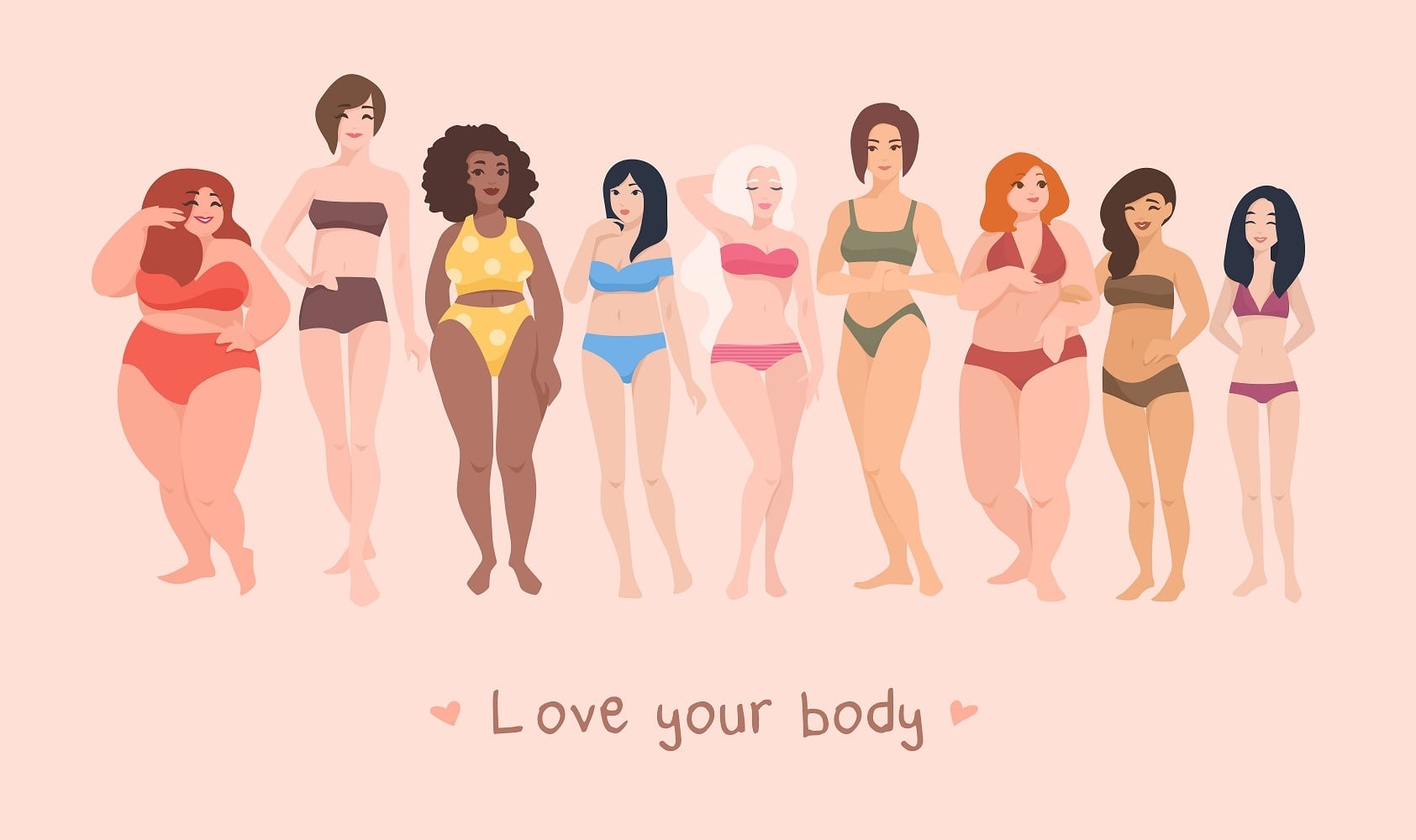
Brands have started to realize that if they want to do well, they need to be more inclusive. Social media has put a lot of emphasis on looks, specifically the perfect look. But the thing is, not everyone looks like that. Thanks to brands like Aerie, Barbie, and others, body positivity and inclusivity have made it to the mainstream. Conversations and research on the negative effects of unrealistic body expectations are now the norm. Hopefully more brands will start to join the movement and continue the fight to embrace body positivity.

 Caro's Corner
Hey Caroline- I really enjoyed reading your post! Your section about Aerie really stood out to me. I like that you spoke about their campaign; I find that when I’m shopping (especially online) I tend to shop in places that have made strides to be wholly inclusive. Like you said, companies are going to make the shift to inclusivity for a few reasons now. I also like how you mentioned the importance of talking about body image issues. I really agree with you there, my whole blog post was about having conversations about this topic. I find that by opening a door to talking about things we fear or dislike it takes some of the power away from that thing.
LikeLiked by 1 person
Hi Caroline!
I really liked this article and could definitely relate to its examples. I remember growing up always thinking Victoria’s Secret was fabulous, whether I was buying nice underwear or something as simple as sweats, because they branded as being very exclusive. Even now, I find myself having to stop myself from acting like an excited 13 year old when I go to NYC and see the VS Angel outfits on display at their big store. As much as some of it might be about costumes and fun, over time I’ve realized how ingrained the Victoria’s Secret standard is in young women. I’ve become more wary after the comments representatives of the company made about plus-sized and transgender models on how they can’t “sell the fantasy”. There was a great response from a transgender woman on Twitter that was a video of her doing a version of Victoria Secret’s stereotypical winter commercial and doing an amazing job. On the other hand, I really prefer Aerie because their clothing and underwear are tailored in a way that actually looks like they care about women’s comfort, the branding is inclusive, and every model looks so radiant and like they’re having genuine fun rather than trying to seduce some old man. Overall, I really like the angle you took on your blog and it made me think about a lot of things in my life and how I am influenced! Awesome job!
LikeLiked by 1 person
Hi Caroline, I really liked this blog post! It was nice how you broke down such a heavy topic. It was nice to see the different campaigns and strategies for spreading body positivity. I also feel like on social media it is spreading as well. There are now more people who are encouraging other women to love their bodies as is and I enjoy seeing that. Thank you for your blog post
LikeLiked by 1 person